Published in International Conference on Machine Learning (ICML 2026), Jul. 2026
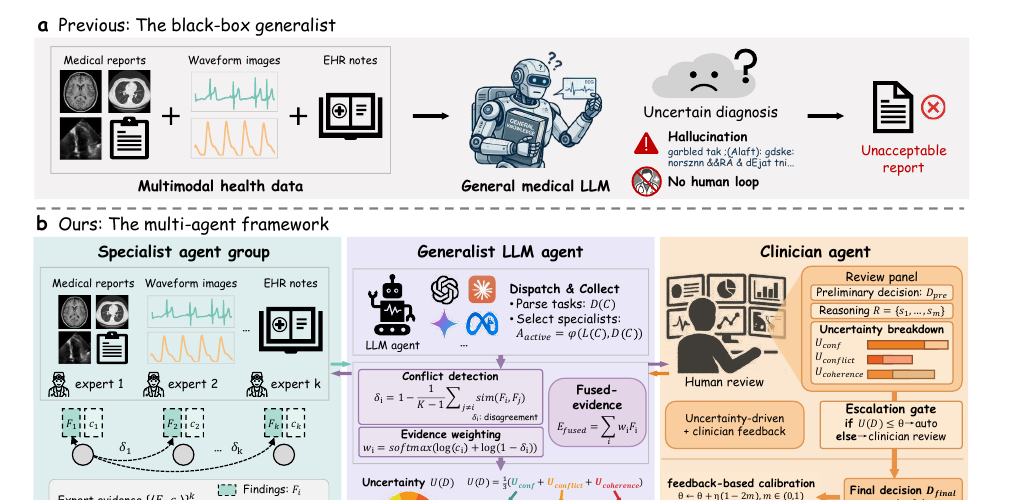
This work studies a heterogeneous multi-agent paradigm for medical artificial intelligence.
Recommended citation: Yanan Wang, Shuaicong Hu, Jian Liu, Guohui Zhou, Aiguo Wang, and Cuiwei Yang. "Why Specialist Models Still Matter: A Heterogeneous Multi-Agent Paradigm for Medical Artificial Intelligence." International Conference on Machine Learning (ICML 2026).
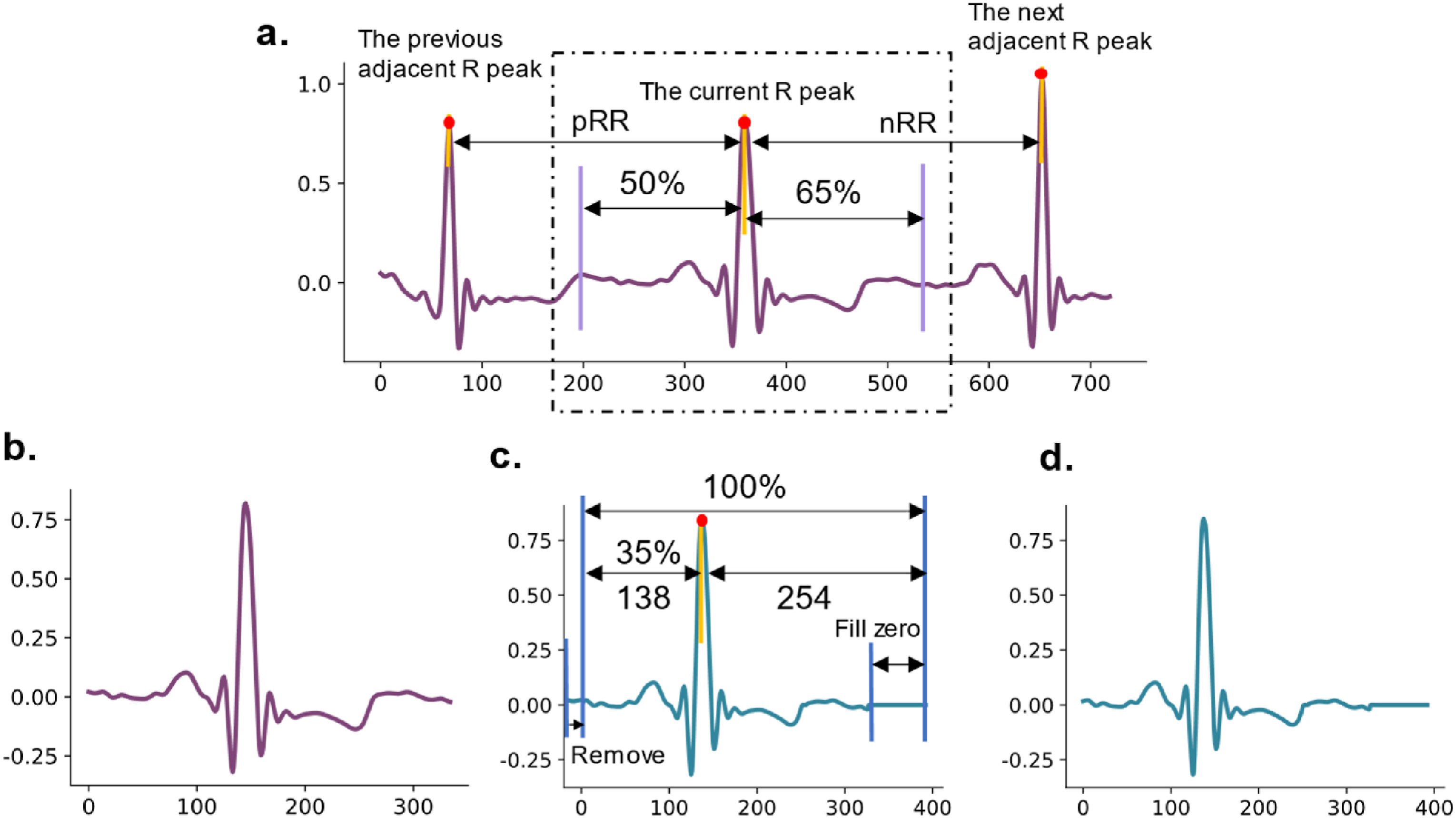
This work studies connections between computer vision methods and bioelectrical signal analysis.
Recommended citation: Yanan Wang, Shuaicong Hu, Jian Liu, Aiguo Wang, Guohui Zhou, and Cuiwei Yang. "Bridging the Gap Between Computer Vision and Bioelectrical Signal Analysis." Information Fusion 129 (2026): 104047. DOI: 10.1016/j.inffus.2025.104047. Download Paper
Published in IEEE Journal of Biomedical and Health Informatics, Jan. 2026
This work studies pretrained transformers for dense prediction in physiological signals.
Recommended citation: Qihan Hu, Daomiao Wang, Hong Wu, Jian Liu, and Cuiwei Yang. "Unleashing the Power of Pretrained Transformer for Dense Prediction in Physiological Signals." IEEE Journal of Biomedical and Health Informatics 30, no. 1 (2026): 196-207. DOI: 10.1109/JBHI.2025.3592687. Download Paper
Published in IEEE Internet of Things Journal, Sep. 2025
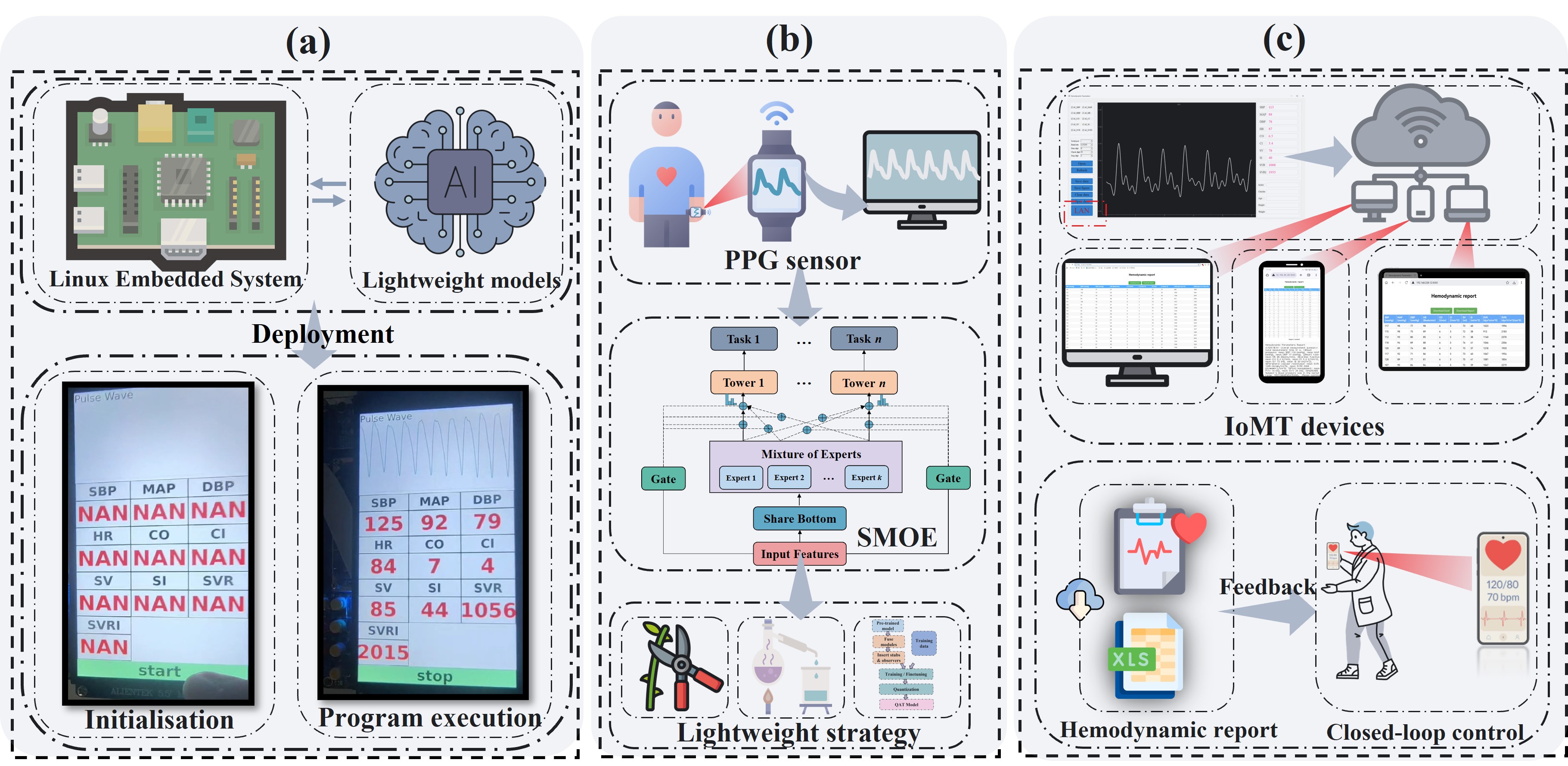
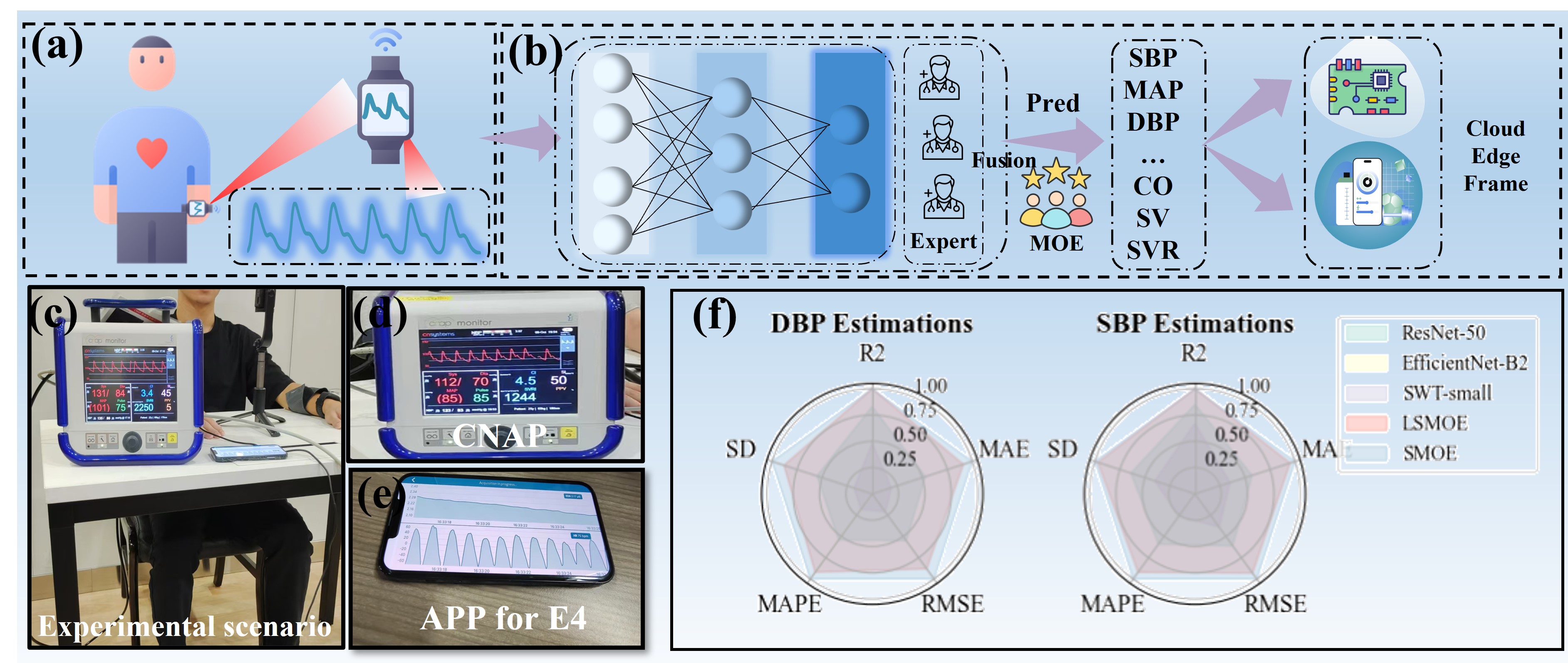
This work presents a cloud-edge collaborative framework for multi-task hemodynamic parameter analysis, balancing clinical performance and computational efficiency.
Recommended citation: Jian Liu, Shuaicong Hu, Yanan Wang, Wei Xiang, and Cuiwei Yang. "A Dual-Focus Cloud-Edge Collaborative Framework in Multitask Hemodynamic Parameter Cross-Scale Analysis: The Equilibrium of Clinical Performance and Efficiency." IEEE Internet of Things Journal (2025). DOI: 10.1109/JIOT.2025.3579524. Download Paper
VAM is a parallel cross-modal hybrid network for accurate and interpretable vascular age estimation from photoplethysmography signals.
Recommended citation: Jian Liu, Shuaicong Hu, Yanan Wang, and Cuiwei Yang. "VAM: A Parallel Cross-Modal Hybrid Network for Accurate and Interpretable Vascular Age Estimation from PPG." EMBC 2025 (2025).
Published in Expert Systems with Applications, Jun. 2025
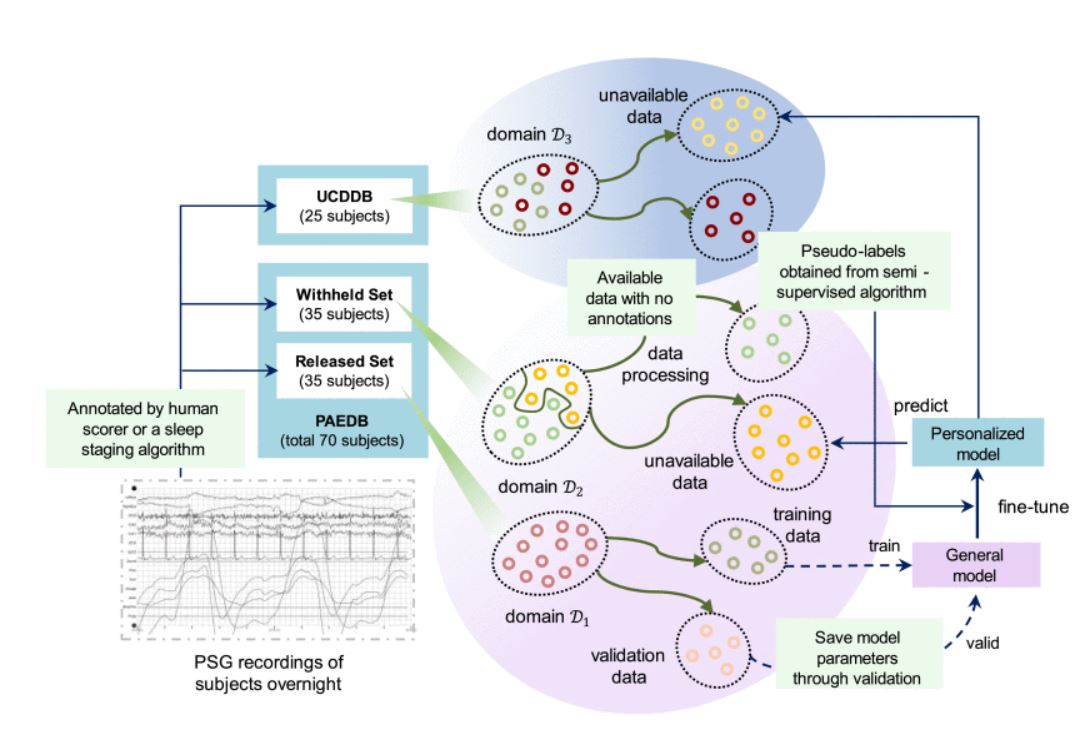
PULSE is a personalized physiological signal analysis framework based on unsupervised domain adaptation and self-adaptive learning.
Recommended citation: Yanan Wang, Shuaicong Hu, Jian Liu, Aiguo Wang, Guohui Zhou, and Cuiwei Yang. "PULSE: A personalized physiological signal analysis framework via unsupervised domain adaptation and self-adaptive learning." Expert Systems with Applications 278 (2025): 127317. DOI: 10.1016/j.eswa.2025.127317. Download Paper
Published in Expert Systems with Applications, May. 2025
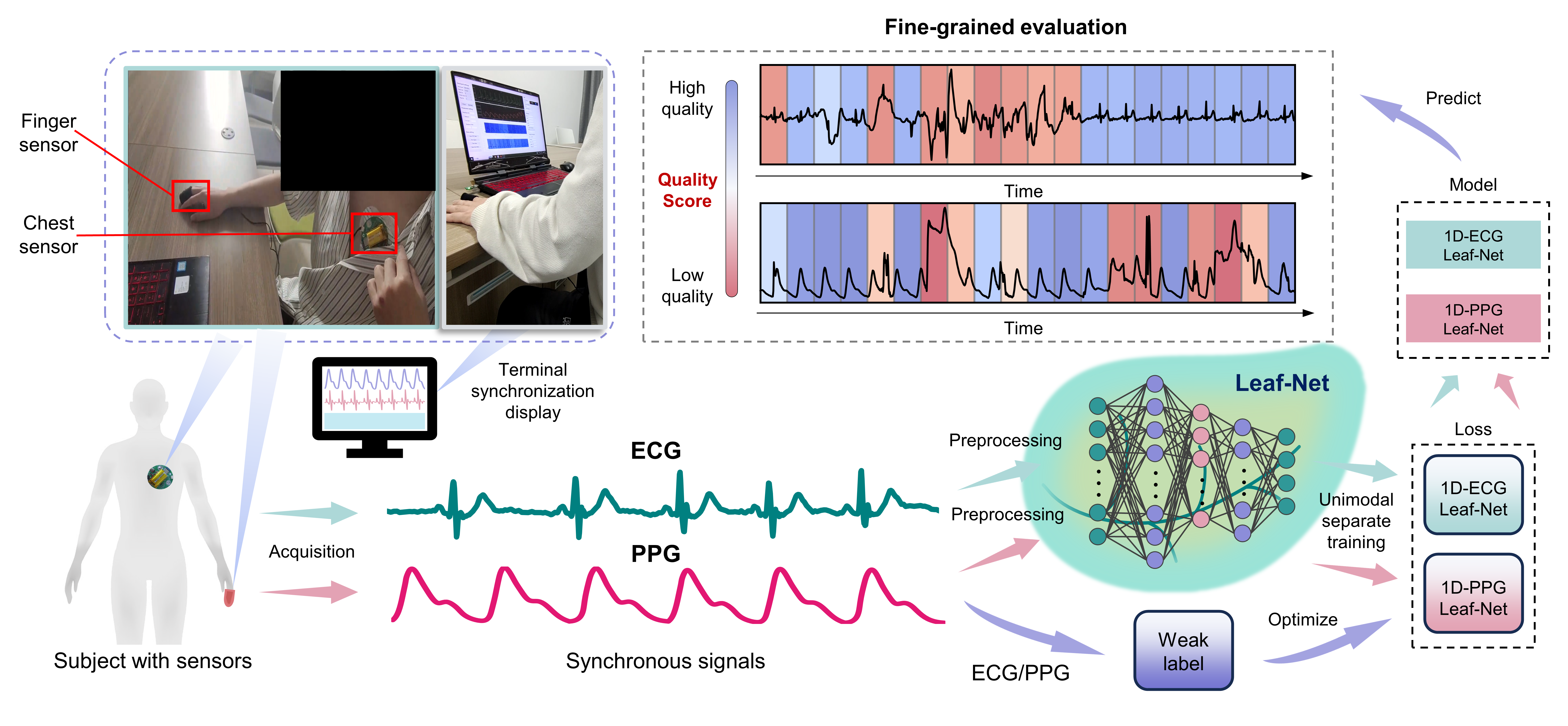
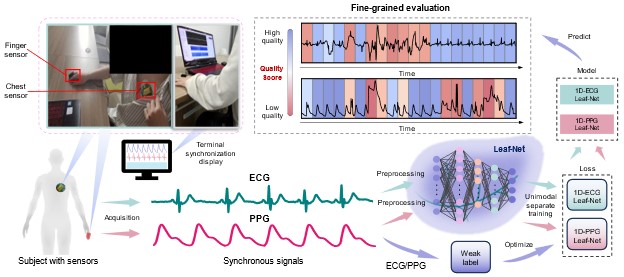
We have devised an attention network capable of simulating localized to global dependency relationships. By training individually, a corresponding QA model is assigned to each pattern. Fine-grained labels for the signals are allocated through weakly supervised learning. The proposed lightweight model has undergone systematic deployment, accompanied by the development of an interactive interface.
Recommended citation: Jian Liu, Shuaicong Hu, Yanan Wang, Qihan Hu, Daomiao Wang, Wei Xiang, Xujian Feng, and Cuiwei Yang. "LEAF-Net: A real-time fine-grained quality assessment system for physiological signals using lightweight evolutionary attention fusion." Expert Systems with Applications (2025). DOI: 10.1016/j.eswa.2025.126995. Download Paper
Published in IEEE Internet of Things Journal, Feb. 2025
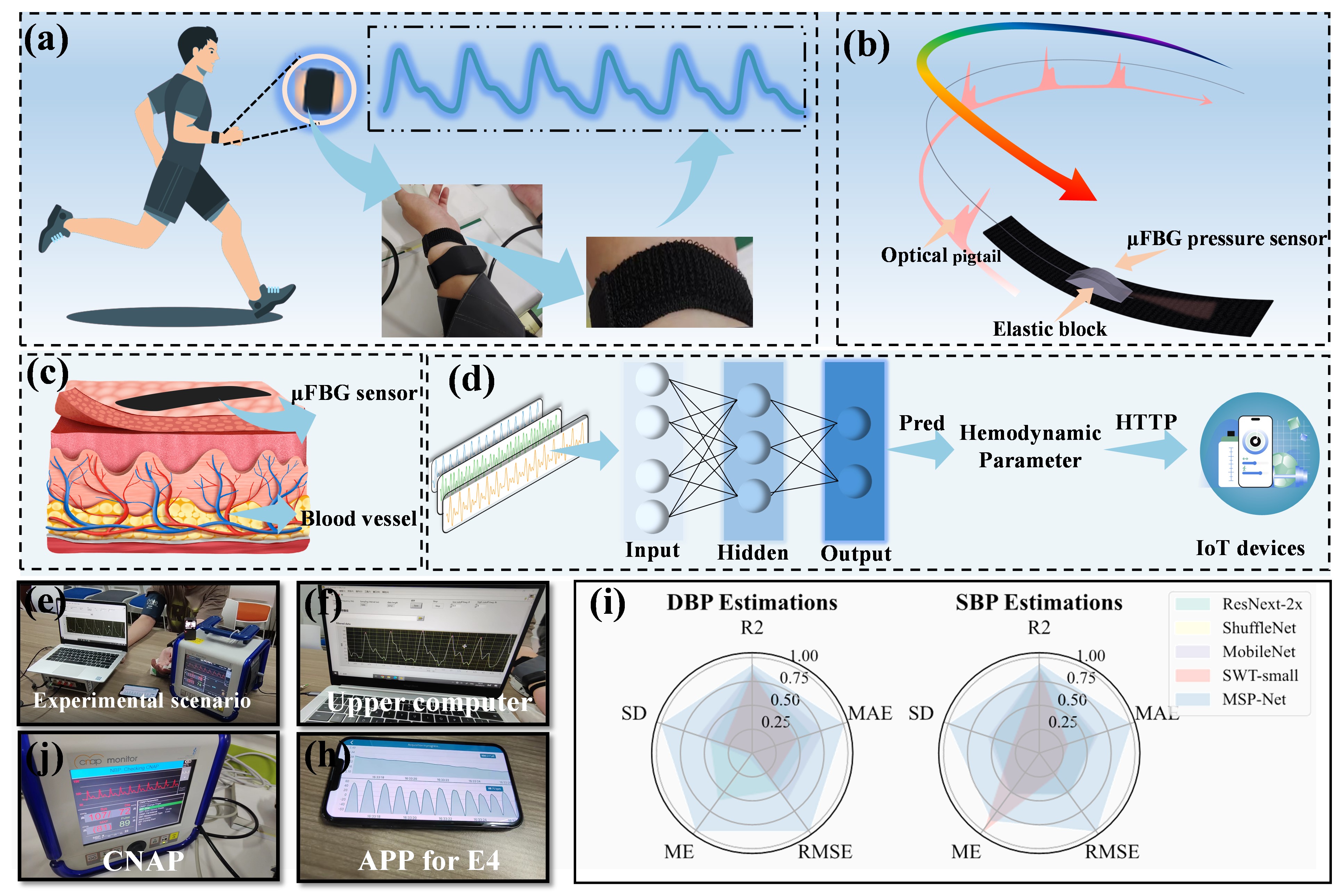
Herein, we introduce an innovative Internet of Medical Things (IoMT) framework for personalized hemodynamic assessment, driven by advanced flexible sensing technologies and multi-scale modeling.
Recommended citation: Liu Jian, Hengtian Zhu, Wei Xiang, Shuaicong Hu, Qihan Hu, Daomiao Wang, Huan Yang, Zhengyi Mao, Fei Xu, and Cuiwei Yang. "An IoMT-Driven Framework for Precision Cardiovascular Assessment Incorporating Multiscale Perspectives and Microfiber Bragg Grating." IEEE Internet of Things Journal (2025). DOI: 10.1109/JIOT.2024.3483450. Download Paper
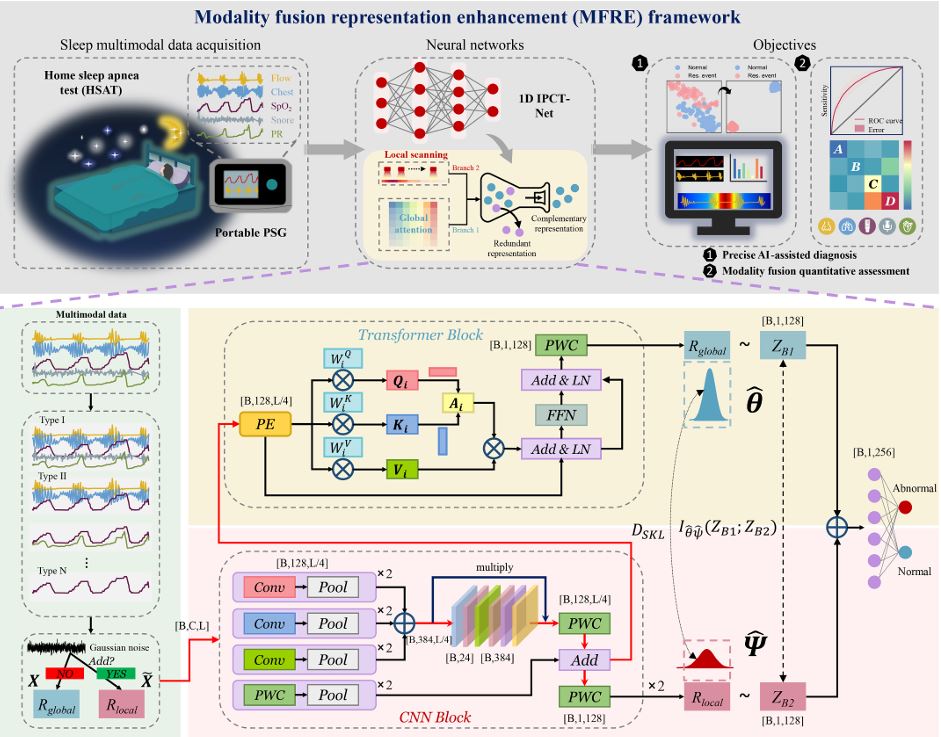
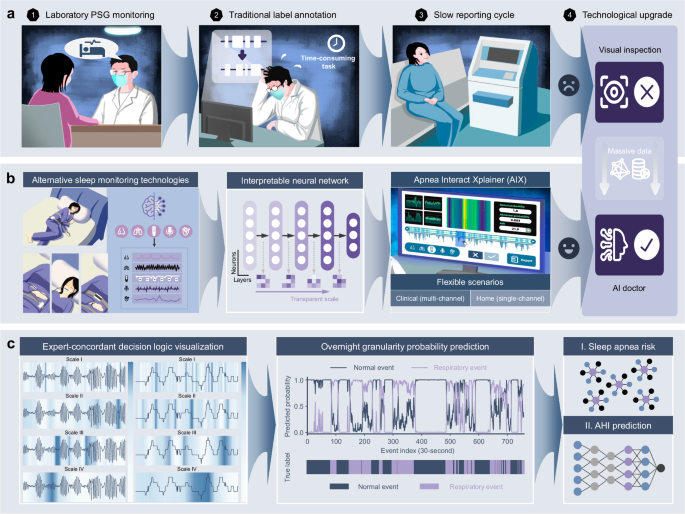
This paper develops a modality fusion representation enhancement (MFRE) framework adaptable to flexible modality fusion types with the objective of improving OSA diagnostic performance, and providing quantitative evidence for clinical diagnostic modality selection.
Recommended citation: Hu Shuaicong, Yanan Wang, Liu Jian, Zhaoqiang Cui, Cuiwei Yang, Zhifeng Yao, and Junbo Ge. "IPCT-Net: Parallel information bottleneck modality fusion network for obstructive sleep apnea diagnosis." Neural Networks 181 (2025): 106836. DOI: 10.1016/j.neunet.2024.106836. Download Paper
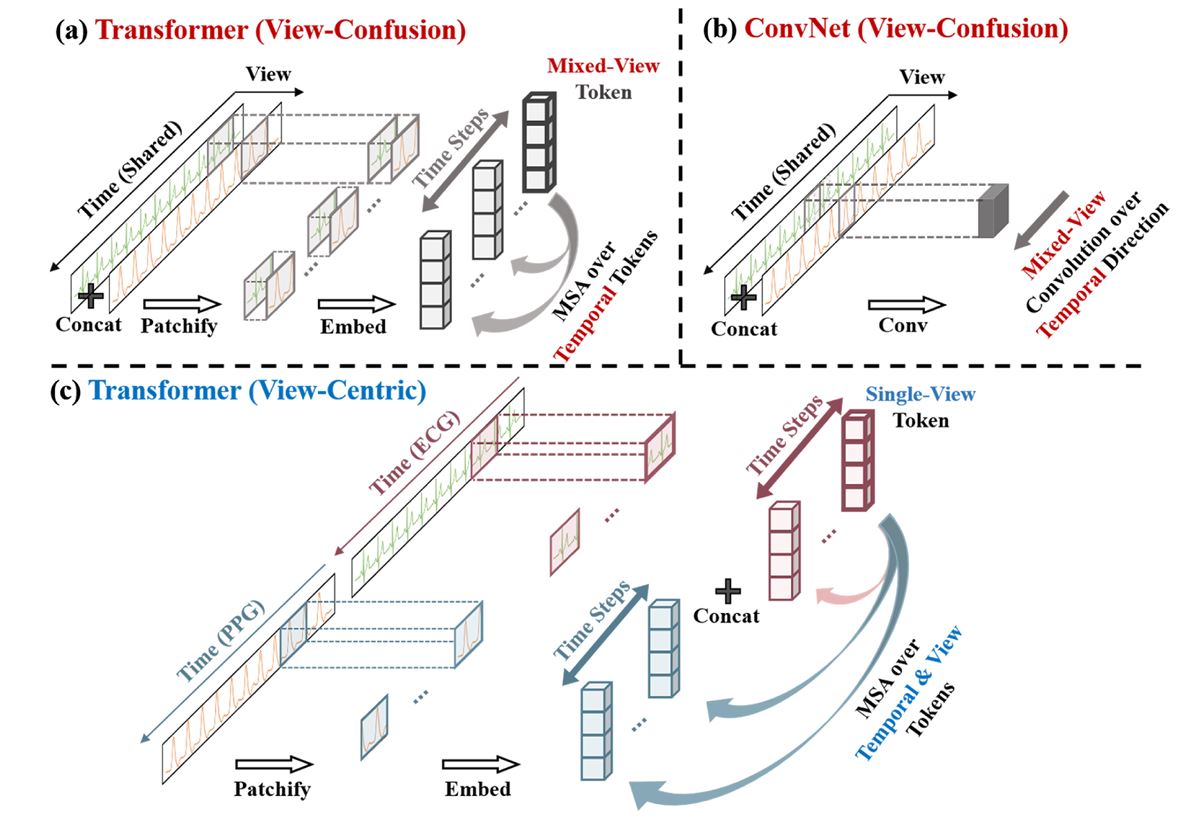
In this paper, the View-Centric Transformer (VCT) and Multitask Masked Autoencoder (M2AE) are specifically designed to emphasize the centrality of each view and harness unlabeled data to achieve superior fused representations.
Recommended citation: Hu Qihan, Daomiao Wang, Hong Wu, Liu Jian, and Cuiwei Yang. "Efficient multi-view fusion and flexible adaptation to view missing in cardiovascular system signals." Neural Networks 181 (2025): 106760. DOI: 10.1016/j.neunet.2024.106760. Download Paper
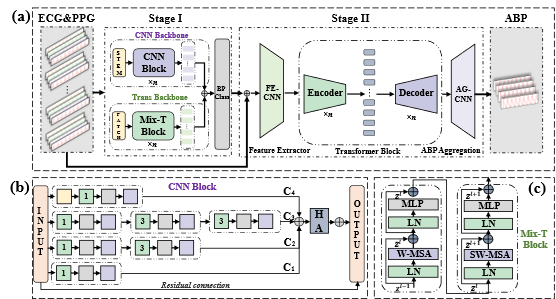
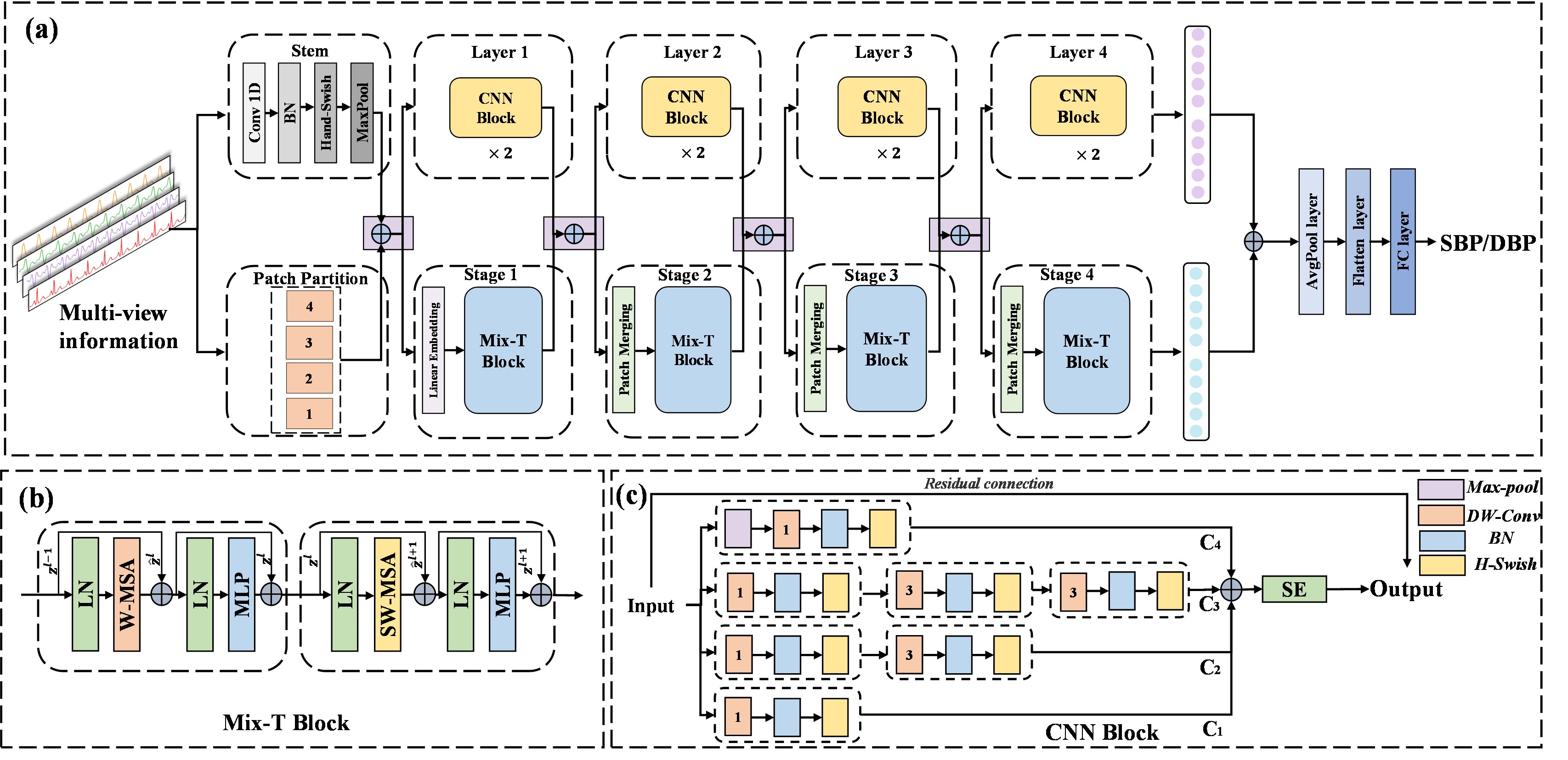
In this paper we propose a parallel cross-hybrid architecture that integrates a convolutional neural network backbone and a Mix-Transformer backbone. This model, grounded in multi-view physiological signals and personalized fine-tuning strategies, aims to estimate BP, facilitating the capture of physiological information across diverse receptive fields and enhancing network expressive capabilitie.
Recommended citation: Liu Jian, Shuaicong Hu, Yanan Wang, Wei Xiang, Qihan Hu, and Cuiwei Yang. "Personalized Blood Pressure Estimation using Multiview Fusion Information of Wearable Physiological Signals and Transfer Learning." Applied Soft Computing 167 (2024): 112390. DOI: 10.1016/j.asoc.2024.112390. Download Paper
Published in Journal of Human Hypertension, Nov. 2024
This study investigates the effect of six different measurement conditions (Quiet, Reading, Speaking, Deep Breathing, Moving, and Tapping) on BP readings in 30 healthy normotensive subjects. We hypothesize that non-standard conditions will result in significant deviations in BP measurements compared to the Quiet condition.
Recommended citation: Liu Chengyu, Liu Jian, Jianqing Li, and Alan Murray. "Preventing Troublesome Variability in Clinical Blood Pressure Measurement." Journal of Human Hypertension. (2024) Download Paper
Published in Computers in Biology and Medicine, Mar. 2024
This study proposes a multi-module heartbeat classification algorithm. Initially, unsupervised feature extractors are designed to extract rich features from unlabeled SD and TD data.
Recommended citation: Wang Yanan, Shuaicong Hu, Liu Jian, Gaoyan Zhong, and Cuiwei Yang. "A multi-module algorithm for heartbeat classification based on unsupervised learning and adaptive feature transfer." Computers in Biology and Medicine 170 (2024): 108072. Download Paper
Published in IEEE Journal of Biomedical and Health Informatics, Feb. 2024
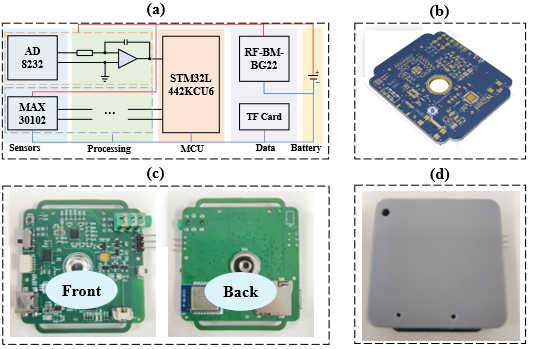
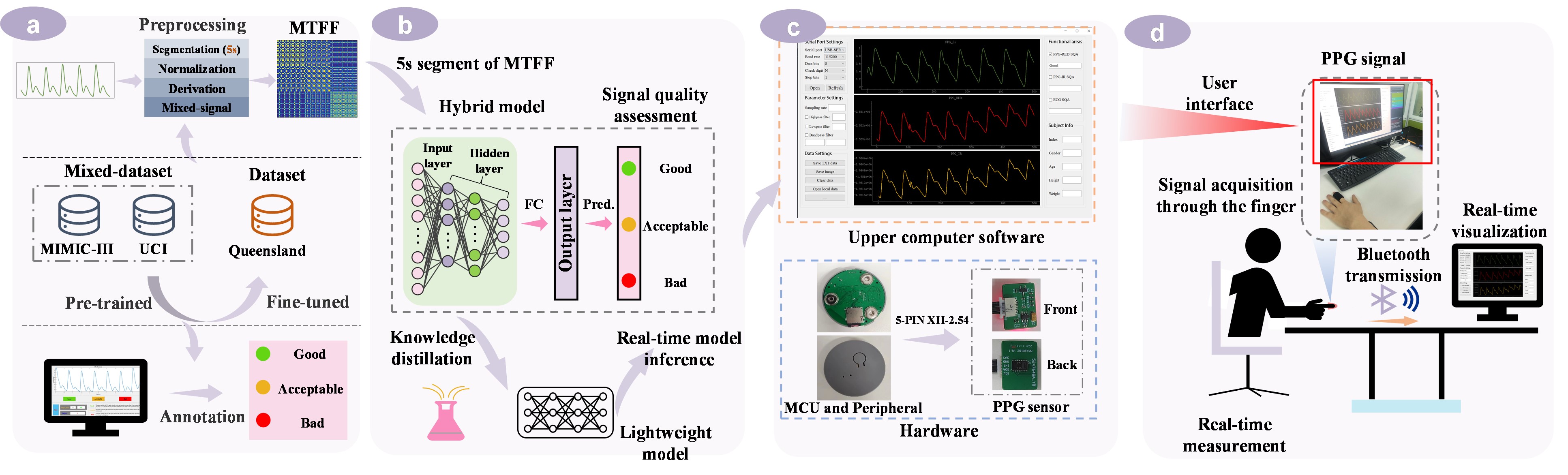
This study introduces a lightweight model to address the imperative need for precise, real-time evaluation of PPG signal quality, followed by its deployment and validation utilizing our integrated upper computer and hardware system
Recommended citation: Liu Jian, Shuaicong Hu, Qihan Hu, Daomiao Wang, and Cuiwei Yang. "A Lightweight Hybrid Model Using Multiscale Markov Transition Field for Real-Time Quality Assessment of Photoplethysmography Signals." IEEE Journal of Biomedical and Health Informatics (2024). DOI: 10.1109/JBHI.2023.3331975. Download Paper
Published in IEEE Journal of Biomedical and Health Informatics, Nov. 2023
We utilize a convolutional neural network (CNN)-based auto-encoder (AE) with a modified training objective to detect anomalous region of OSA. An indicator based on model outputs is utilized as a benchmark measure to assign pseudo-labels with confidence to each sample. Finally, we perform validation of the semi-supervised algorithm on the same database and cross-database scenarios.
Recommended citation: Hu Shuaicong, Liu Jian, Cuiwei Yang, Aiguo Wang, Kuanzheng Li, and Wenxin Liu. "Semi-Supervised Learning for Low-Cost Personalized Obstructive Sleep Apnea Detection Using Unsupervised Deep Learning and Single-Lead Electrocardiogram." IEEE Journal of Biomedical and Health Informatics (2023). DOI: 10.1109/JBHI.2023.3304299. Download Paper
Published in Biomedical Signal Processing and Control, Sep. 2023
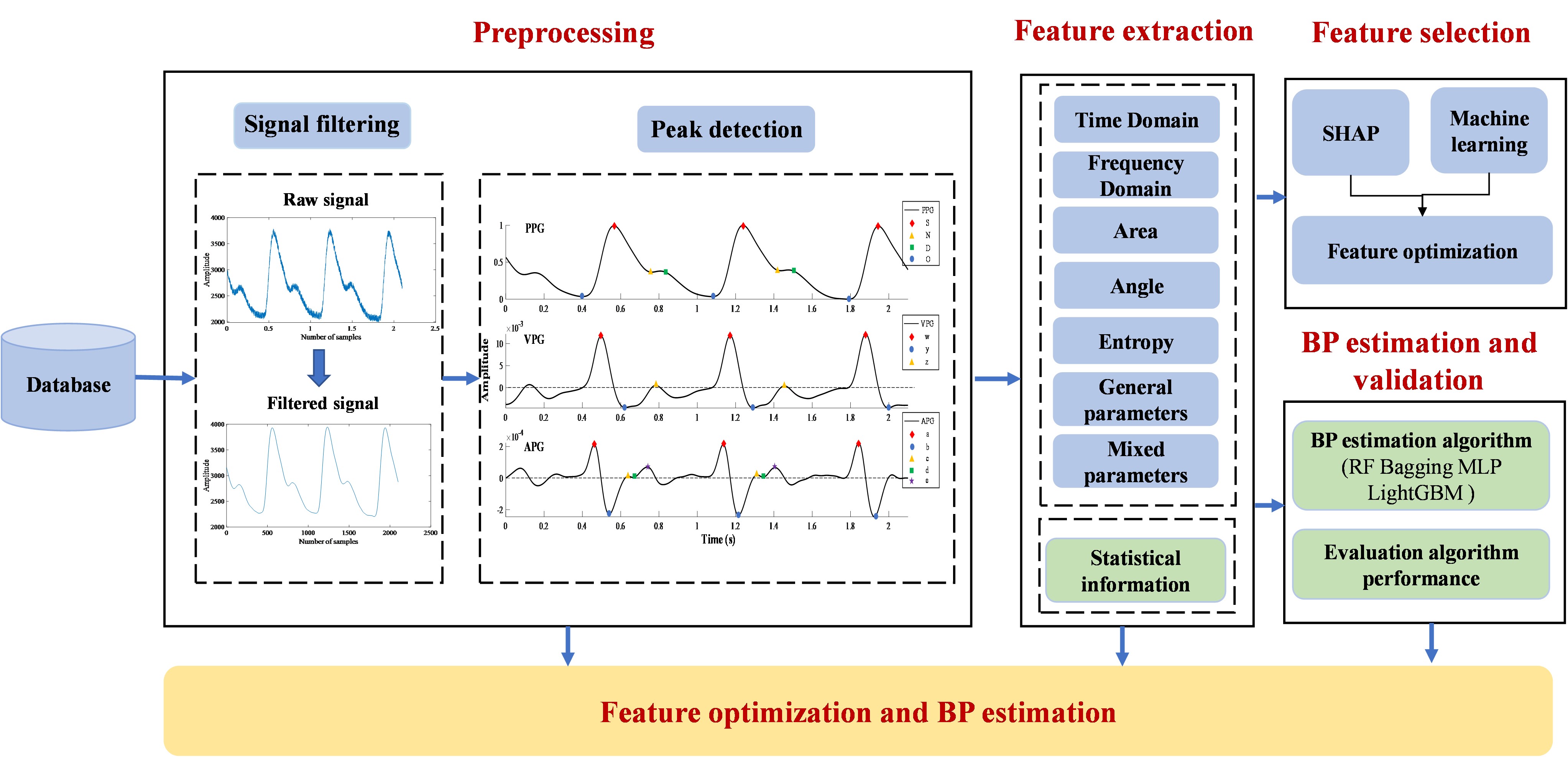
In this paper we propose a parallel cross-hybrid architecture that integrates a convolutional neural network backbone and a Mix-Transformer backbone. This model, grounded in multi-view physiological signals and personalized fine-tuning strategies, aims to estimate BP, facilitating the capture of physiological information across diverse receptive fields and enhancing network expressive capabilitie.
Recommended citation: Liu Jian, Shuaicong Hu, Zhijun Xiao, Qihan Hu, Daomiao Wang, and Cuiwei Yang. "A novel interpretable feature set optimization method in blood pressure estimation using photoplethysmography signals." Biomedical Signal Processing and Control 86 (2023): 105184. DOI: 10.1016/j.bspc.2023.105184. Download Paper
Published in IEEE Transactions on Neural Systems and Rehabilitation Engineering, Jan. 2023
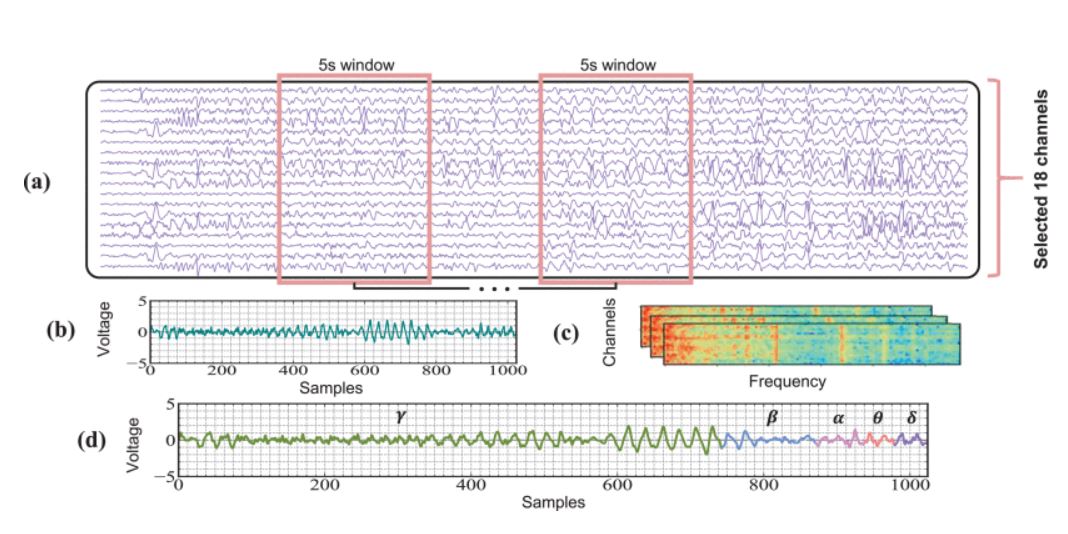
Two classical feature engineering methods and the proposed method which consists of various EEG rhythms are explored, then a hybrid Transformer model is designed to evaluate the advantages over pure convolutional neural networks (CNN)-based models. Finally, the performances of two model structures are analyzed utilizing patient-independent approach and two TL strategies.
Recommended citation: Hu Shuaicong, Liu Jian, Rui Yang, YaNan Wang, Aiguo Wang, Kuanzheng Li, Wenxin Liu, and Cuiwei Yang. "Exploring the Applicability of Transfer Learning and Feature Engineering in Epilepsy Prediction Using Hybrid Transformer Model." IEEE Transactions on Neural Systems and Rehabilitation Engineering 31 (2023): 1321-1332. DOI: 10.1109/TNSRE.2023.3244045. Download Paper
Published in IEEE Transactions on Instrumentation and Measurement, Jan. 2023
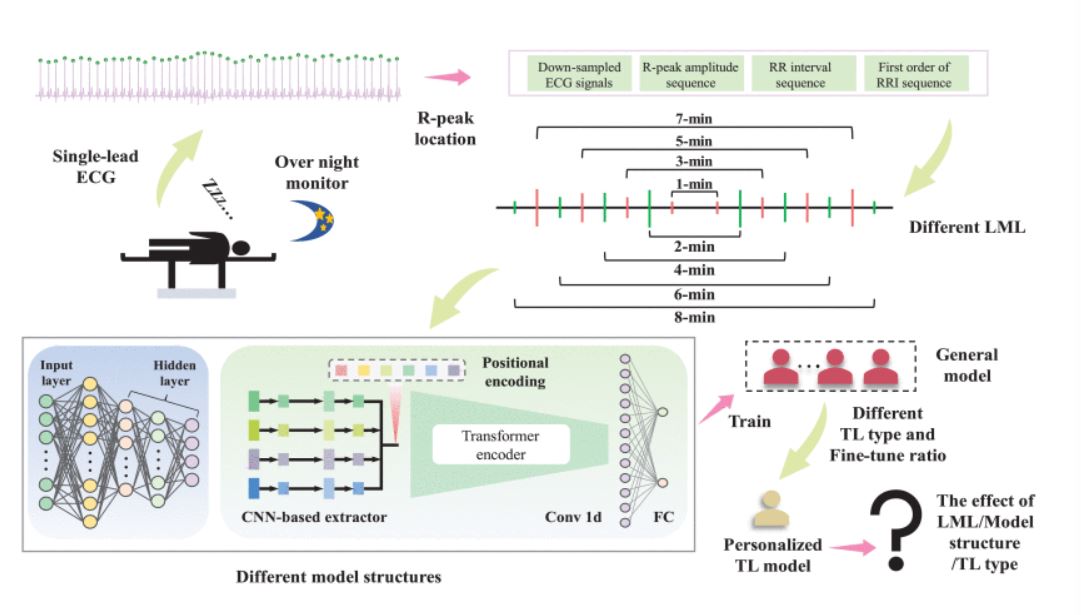
Two DL models, a pure convolutional neural network (CNN)-based model (PCM) and a proposed HTM, are included in the study. Eight different LMLs are considered. Furthermore, various personalized TL strategies are introduced to thoroughly explore the impact. Finally, two-sided t-tests are utilized to evaluate the significance.
Recommended citation: Hu Shuaicong, Yanan Wang, Liu Jian, and Cuiwei Yang. "Personalized Transfer Learning for Single-Lead ECG-Based Sleep Apnea Detection: Exploring the Label Mapping Length and Transfer Strategy Using Hybrid Transformer Model." IEEE Transactions on Instrumentation and Measurement (2023). DOI: 10.1109/TIM.2023.3312698. Download Paper
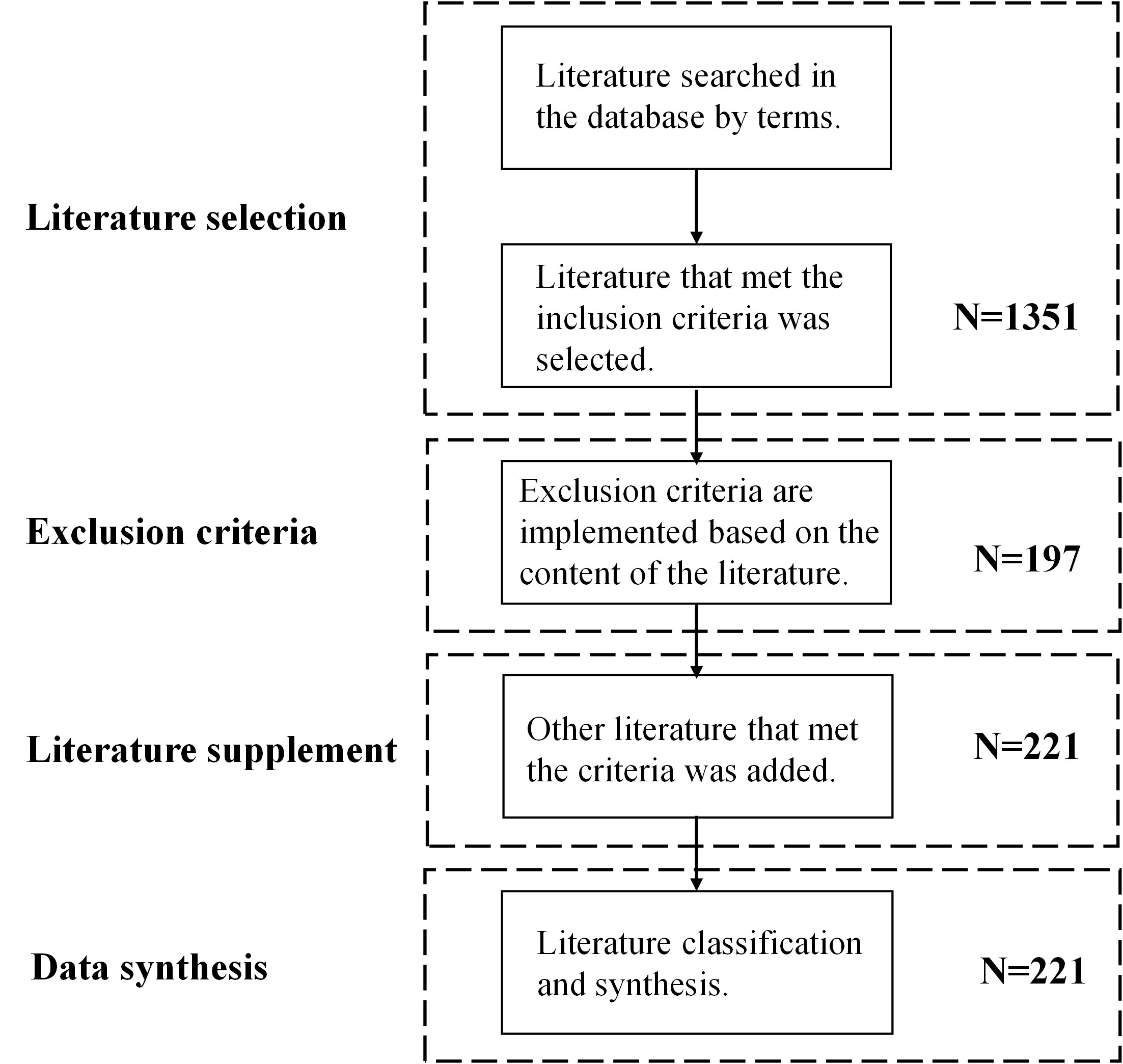
A systematic review of all existing research on sources of OBPM errors. A search strategy was designed in six online databases, and all the literature published before October 2021 was selected. Those studies that used the OBPM device to measure BP from the upper arm of subjects were included.
Recommended citation: Liu Jian, Yumin Li, Jianqing Li, Dingchang Zheng, and Chengyu Liu. "Sources of automatic office blood pressure measurement error: a systematic review." Physiological Measurement 43, no. 9 (2022): 09TR02. DOI: 10.1088/1361-6579/ac890e. Download Paper
Published in 2021 Computing in Cardiology (CinC), Sep. 2021
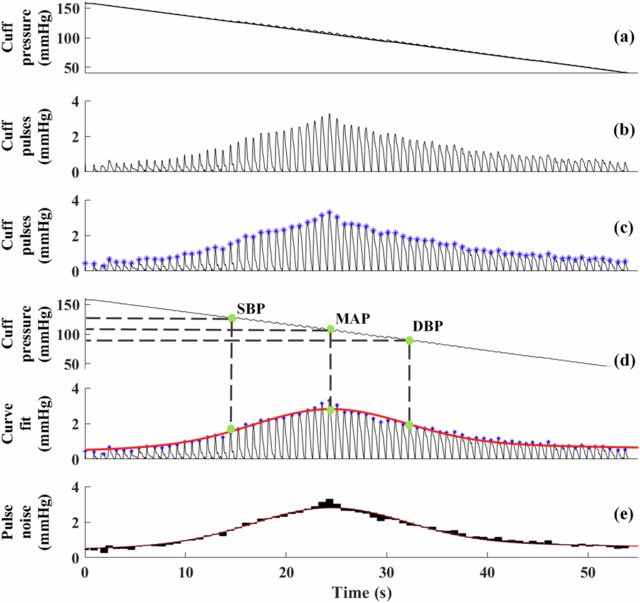
In medical clinics the oscillometric automated sphygmomanometer is widely used. However, there are few studies to quantify the influence of the oscillometric pulse waveform stability on the accuracy of BP values. This study addresses this issue.
Recommended citation: Liu Jian, Alan Murray, Jianqing Li, and Chengyu Liu. "Influence of finger movement on the stability of the oscillometric pulse waveform for blood pressure measurement." In 2021 Computing in Cardiology (CinC), vol. 48, pp. 1-4. IEEE, 2021. DOI: 10.23919/CinC53138.2021.9662888. Download Paper